Facts about this Gurudwara
A memorial with a particular identity
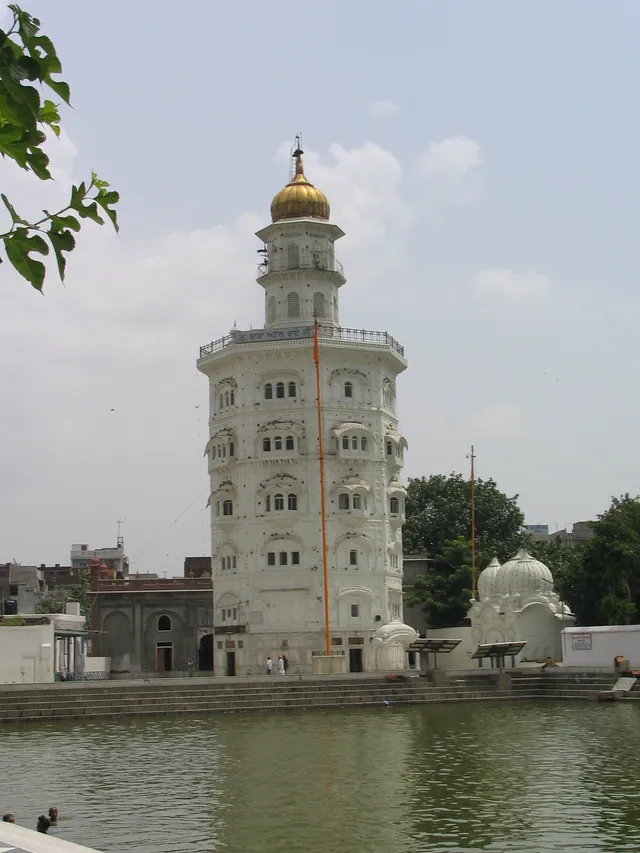
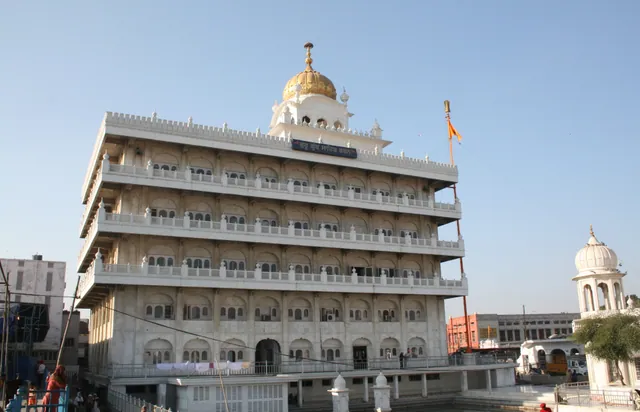
The Ministry of Tourism’s account places the gurudwara outside Chattiwind Gate and identifies it with Baba Deep Singh Ji’s sacrifice in defence of the Golden Temple. The National Mission on Monuments and Antiquities record also identifies the site as a memorial to his martyrdom.
For planning purposes, take care with names. Search results may shorten several different memorial names to Baba Deep Singh. A name alone is not enough to establish that a photograph, map pin or description refers to the same place. Keep the fuller name and the Chattiwind Gate context together when confirming your destination. This small check can prevent both a practical mistake and a mistaken historical caption shared with others.
The eighteenth-century setting
The Ministry of Tourism account connects Baba Deep Singh Ji with the defence of the Golden Temple against Afghan forces in 1757. Read alongside the memorial record, this gives the remembrance a specific setting: the defence of a sacred centre during a period of conflict.
A visitor does not need a complete military chronology to begin understanding the shrine. It helps instead to ask what was at stake for the community whose place of worship had been attacked. A sacred site holds practices, relationships and shared memory as well as buildings. Its defence can therefore carry meanings beyond possession of a structure. That is an interpretive way into the history, not a substitute for studying the period in detail.
How to read the famous tradition
The SGPC narrative preserves the celebrated tradition that Baba Deep Singh Ji continued fighting while supporting his severed head. This is a Sikh devotional account of extraordinary resolve, and should be introduced as tradition rather than presented as a medically verifiable event. The distinction is especially helpful when explaining the story to children or to readers encountering it for the first time.
One can acknowledge the story’s religious importance without turning it into an argument or a spectacle. Ask what the telling honours: commitment, courage and fidelity to a deeply held responsibility. Different listeners may approach its miraculous elements differently. A courteous discussion allows those differences while remaining accurate about the kind of account being shared. Avoid invented dialogue, dramatic battlefield details or supposed eyewitness quotations.
Remembering through a built place
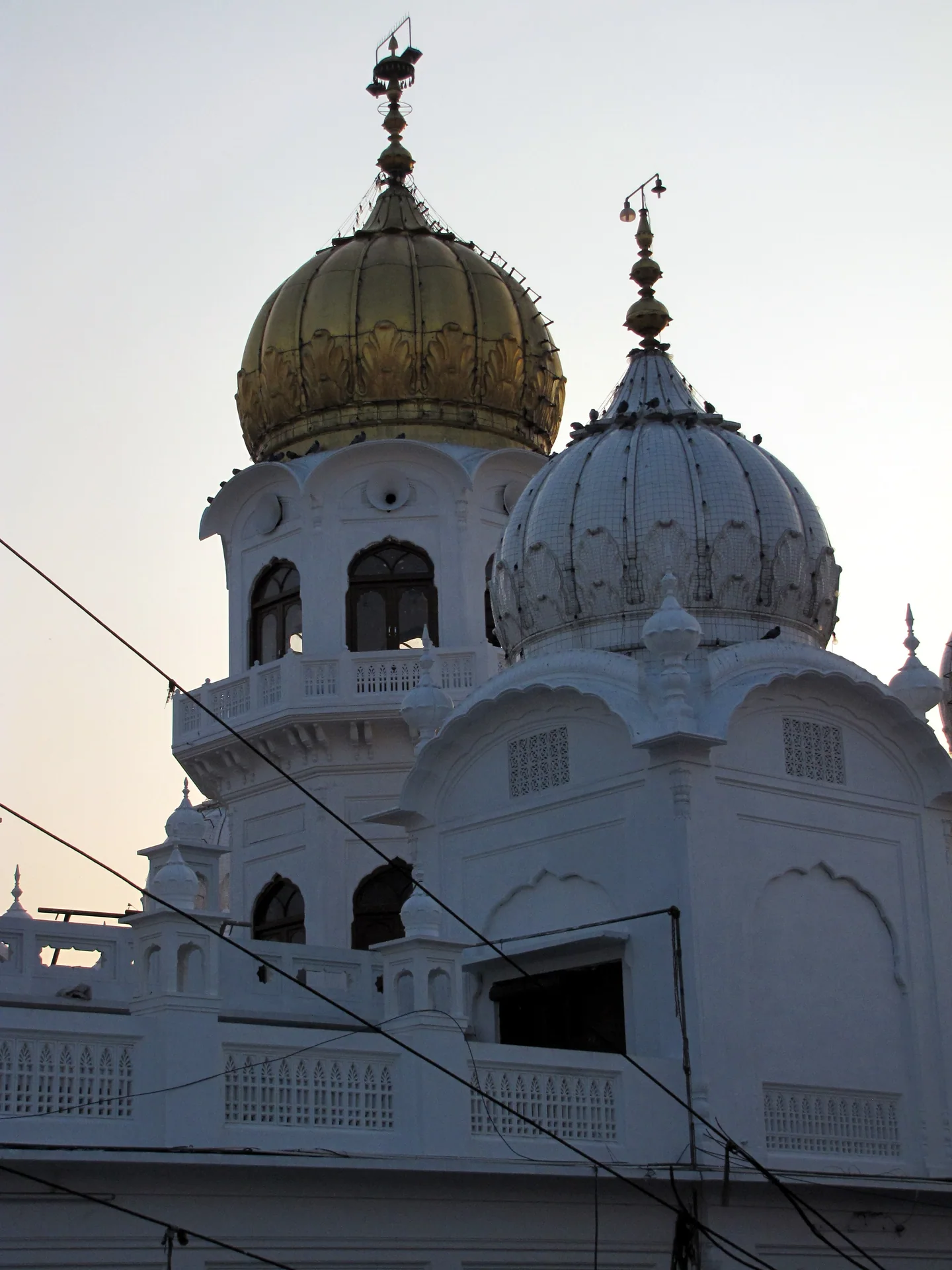
The national monument record credits Jassa Singh Ramgarhia with a memorial and describes a later enlargement associated with Akali Phula Singh. It also records the building’s rectangular plan and architectural features. These brief details point to a second history: how a remembered sacrifice acquired a lasting physical setting.
A memorial is not simply an illustration of the event it commemorates. It also shows how later generations chose to honour that event and make it accessible to others. When looking at a building, distinguish the lifetime of the person remembered from the development of the structure around their memory. Avoid assuming that everything visible today stood there at the moment of martyrdom. That habit of careful looking is useful at many historic gurudwaras.
Shaheed is a word to handle carefully
The Punjabi word shaheed means martyr. In a shrine’s name, it asks for a different tone from the language used to describe a scenic attraction. A family may come to remember sacrifice, offer prayer or pass a cherished account to the next generation. Visitors who come mainly from historical interest can still recognise that purpose and conduct themselves accordingly.
This does not require rehearsed solemnity or pretending to understand more than you do. It means speaking considerately, avoiding theatrical poses and giving people room to pray. When writing about your visit afterwards, keep the focus on what you learned rather than borrowing another person’s devotion as a backdrop. A truthful, modest account often communicates more than a string of grand adjectives about bravery and timelessness.
Preparing a family conversation
Before bringing children, decide how much detail is appropriate for their age. Begin with the person and the place: someone remembered for defending a sacred centre, and a community that continues to honour that commitment. Explain that a historical outline and a religious tradition can tell different kinds of truth within a family’s understanding. Children do not need graphic descriptions to grasp courage or responsibility.
Invite questions without insisting on one emotional response. A child might notice the building, wonder about a word or ask why people bow. Those are useful openings for learning. If you are unsure of an answer, say so and return to a reliable source later. Avoid presenting a dramatic social-media retelling as a settled historical explanation merely because it is easy to remember.
A considerate visit in practice
Prepare a head covering, remove footwear where directed and follow the instructions given at the gurudwara. Keep your group together without blocking a doorway or gathering around someone who is praying. If an older relative needs seating assistance or a gentler route, ask staff about the current arrangements rather than relying on a photograph or an old travel review. Be ready to adapt the plan.
Photography deserves particular care at a memorial. Check what is permitted, and do not assume permission to photograph the building includes permission to record worshippers. A private moment does not become public simply because it takes place in a busy place. If you want to participate in service, ask first and accept the guidance offered. Useful help begins with the needs of the people doing the work.
Keep any historical notes brief enough to consult without stopping in a busy passage. A longer discussion can wait until your group has found an appropriate place outside the flow of worshippers.
Connect remembrance with learning
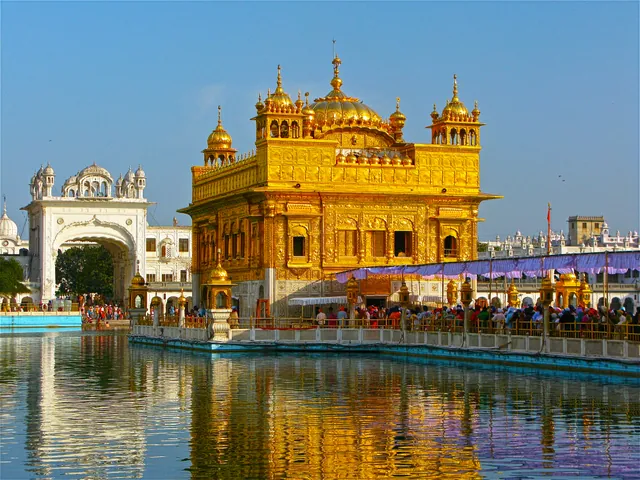
This shrine can be read alongside Sri Harmandir Sahib’s history, which explains the sacred centre connected with Baba Deep Singh Ji’s remembrance. Nearby historical connections can also lead you towards Ramsar Sahib, where the story turns towards scripture and its preparation. The contrast is instructive: Sikh heritage includes learning, worship and the responsibilities attached to protecting a community’s religious life.
Choose a manageable route through the gurudwara directory, and review relevant preferences through Meri Sukhna’s customization page. Leave time after the visit to talk about what your group understood and what still needs reading. Remembrance becomes more thoughtful when it leads to further learning, rather than ending with a photograph. No visit or offering should be described as a guarantee of protection, healing or a particular answer to prayer.
Sources & further reading
Historical details are linked to their sources. Devotional traditions are identified as traditions; current arrangements should be confirmed locally.