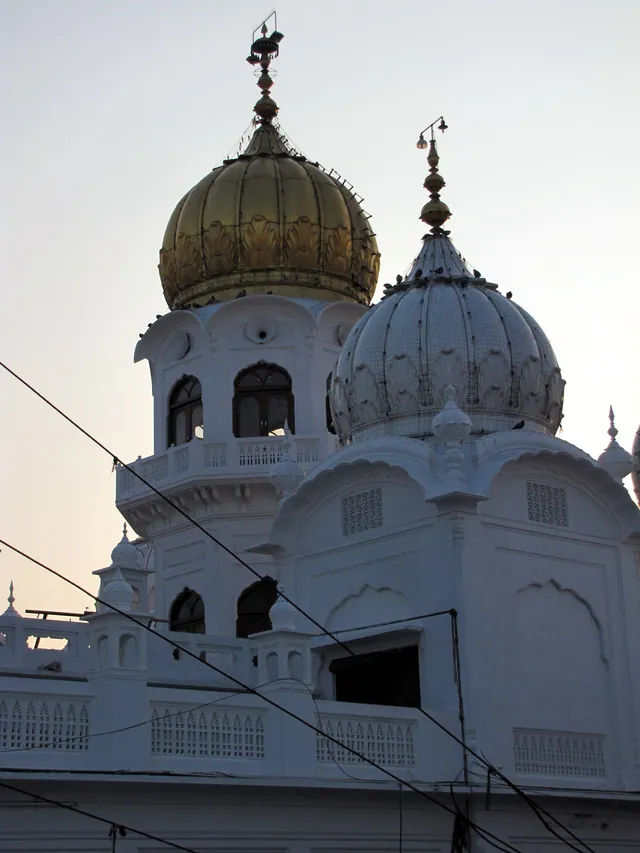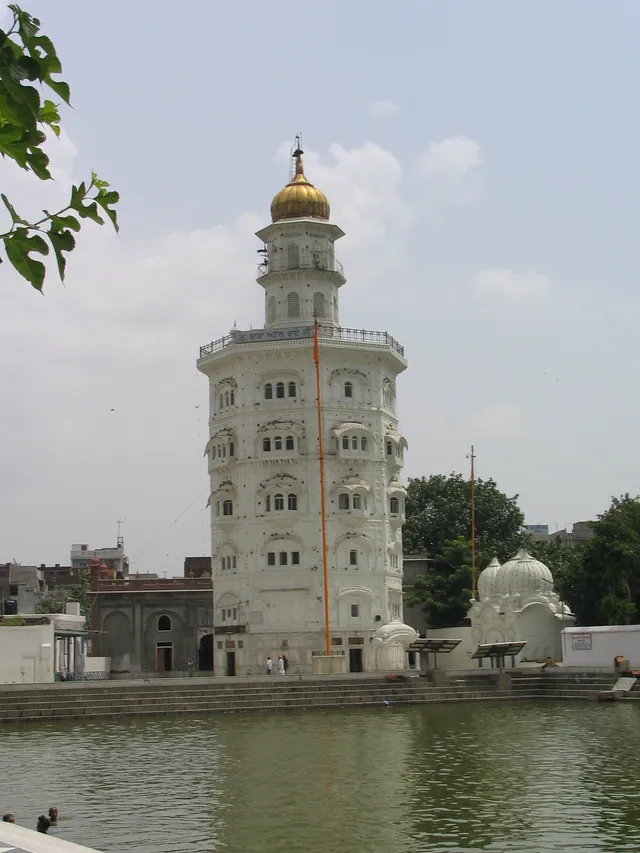
Facts about this Gurudwara
Begin with the place, not just the name
If a relative asks for an arrangement at Dukh Niwaran Sahib, it is worth asking which city they mean. The Patiala and Ludhiana Gurudwaras share a familiar name, but they are separate places with different histories. A name sent quickly in a family message can leave that distinction unstated. Confirming it is an act of care, especially when you are organising something from another country and cannot recognise the surroundings in person.
The Patiala shrine is associated with the area historically known as Lehal. The Ministry of Tourism’s account connects the place with Guru Tegh Bahadur Ji. This article follows that location and that account. For the other city, read our separate Ludhiana Dukh Niwaran Sahib guide. Keeping the two stories distinct is more helpful than treating every similarly named Gurudwara as interchangeable.
The visit remembered at Lehal
The official tourism account relates a tradition in which Bhag Ram, a villager from Lehal, approached Guru Tegh Bahadur Ji during a period of illness in the area. The Guru’s visit became part of the place’s sacred memory. The National Mission on Monuments and Antiquities record also associates the site with the Guru. These sources help explain why the location matters within Patiala’s Sikh heritage.
It is important to describe this as a remembered religious tradition, rather than turning it into a claim about what a visit will do for someone today. The name and story express faith, comfort and remembrance. They do not give a coordinator, travel writer or website the authority to promise a medical result. A respectful account can honour the tradition without adding guarantees that the sources, the Gurudwara or the family have not made.
How the memory was preserved
The tourism source describes Raja Amar Singh of Patiala establishing a garden in honour of Guru Tegh Bahadur Ji’s visit during his reign, between 1748 and 1782, and entrusting its care to Nihang Sikhs. That detail gives the history a second layer. There is the event that a community remembers, and there are the later generations who choose to preserve its setting. The two belong together, but they are not the same date.
When looking at a Gurudwara today, it is easy to assume that everything visible belongs to its earliest history. Often, a sacred association is much older than the buildings, paths or facilities around it. The useful question is not simply, “How old is this building?” Ask what is remembered here, how that memory was maintained, and which parts of the present setting were developed later. That approach makes family conversations more thoughtful and less dependent on a single dramatic fact.
Why this history can matter to a family abroad
For someone living overseas, learning the history may be a way of returning to a place through conversation. Ask an older family member what they remember about visiting Patiala. Was it a regular stop, part of a longer journey, or connected with a particular family occasion? Their answer is a family memory, not a replacement for historical research. Both are valuable when you are clear about the difference between them.
A small Punjabi phrase can express the feeling without making the story complicated: yaad te satkaar, remembrance and respect. You do not have to know every date before sharing the place with a child. Start with the Gurudwara’s name, its city and its association with Guru Tegh Bahadur Ji. Then let questions lead to further reading. The aim is a living connection with history, rather than a test of how many details someone can repeat.
Preparing for a considerate visit
Treat the Gurudwara as a working place of worship, not a backdrop for a quick photograph. Before travelling, check current visitor guidance through the relevant management. Cover your head, dress respectfully, follow instructions about footwear, and give worshippers space. Exact arrangements can change, and a general article cannot replace what the people responsible for the site tell you on the day. Leave enough time to arrive without rushing your family through an important moment.
Photography and video need the same thoughtful approach. A public courtyard, an indoor worship space and a family video call may be subject to different expectations. Ask before recording, avoid capturing other people unnecessarily, and accept restrictions without trying to negotiate around them. A quiet visit can still be meaningful when no recording is possible. If someone cannot join, a clear personal update afterwards may be a better choice than a live call that causes disturbance.
If you are arranging a request from overseas
Write down the full name and Patiala location before discussing Paath, Ardaas, an offering or any other request. Then separate what you would like from what has actually been confirmed. A preferred date, a particular quantity and a recording format are three different details; agreement on one does not establish the others. Our planning guide for families abroad explains how to bring those details into one clear written summary.
If you choose to speak with Meri Sukhna, the role is personal coordination, not representation of the Gurudwara. You can explore the Gurudwara directory or build a package, then ask for availability, itemised costs and terms before deciding. Keep private family details to what is genuinely needed. Above all, let the place’s maryada and the family’s wishes guide the arrangement, rather than treating the history as a promise that a particular outcome can be bought.
A final distinction worth keeping
Patiala’s Dukh Niwaran Sahib and Ludhiana’s similarly named Gurudwara both deserve to be described accurately. Photos, source links and city names should match the place being discussed. If a webpage mixes them, pause before relying on its history or using its directions. This is a useful habit for any religious destination: check the location, read the source, and leave room for local guidance. Careful information is part of showing respect, particularly when the place carries meaning for someone you love.
Sources & further reading
Historical details are linked to their sources. Devotional traditions are identified as traditions; current arrangements should be confirmed locally.